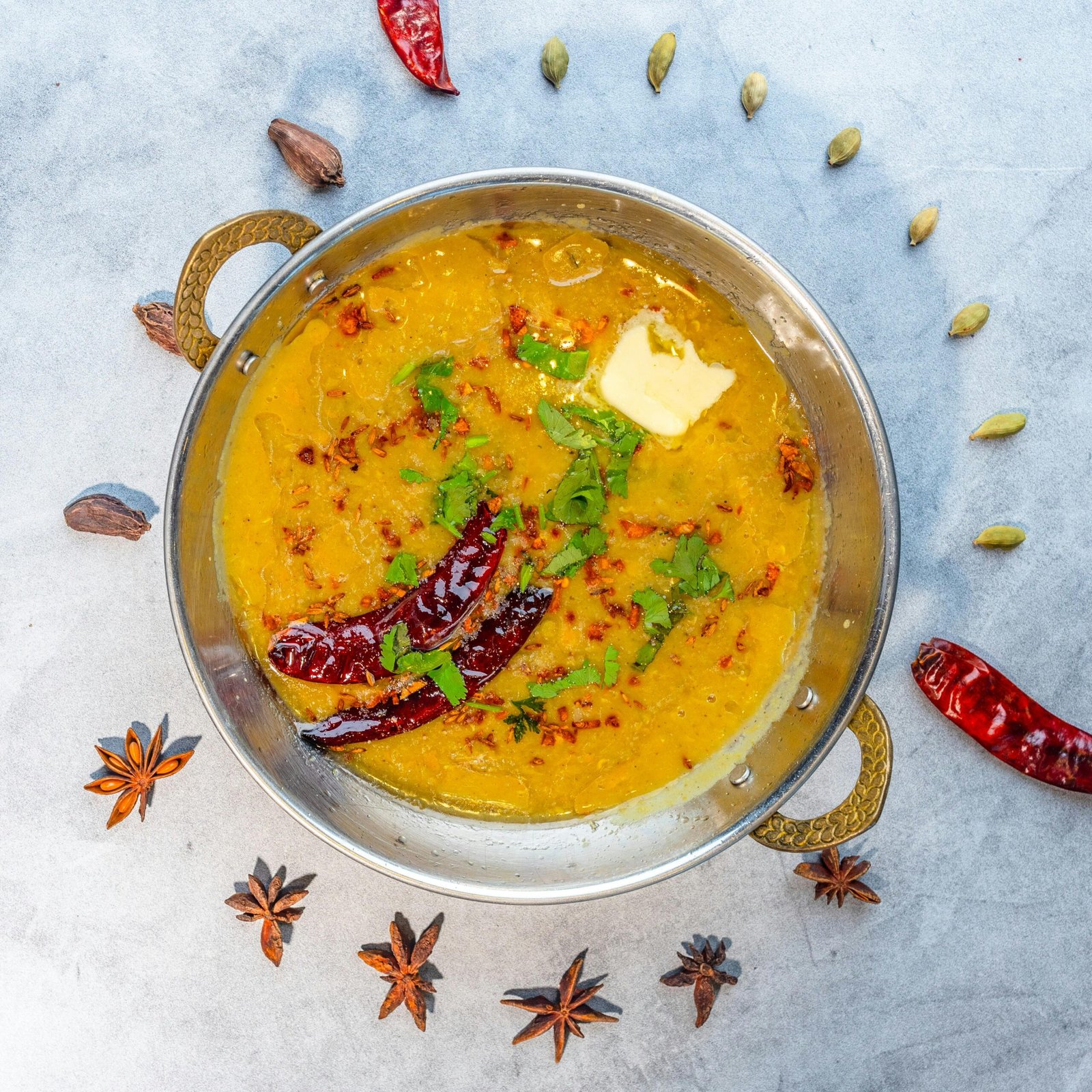
Nihari is one of the most iconic and flavorful dishes of South Asia, especially popular in Pakistan and India. Known for its rich aroma, tender meat, and slow-cooked gravy, Nihari is often enjoyed as a special breakfast or weekend meal. The word “Nihari” comes from the Arabic word “Nahar” meaning “day”, as it was traditionally eaten after Fajr and slow-cooked overnight.
This dish is a perfect blend of spices, patience, and culinary tradition. In this detailed guide, you will learn how to make authentic traditional Nihari at home with step-by-step instructions, ingredient breakdown, cooking tips, variations, and serving ideas.
🥘 Nihari Recipe Overview
| Category | Details |
|---|---|
| Recipe Name | Traditional Beef Nihari |
| Cuisine | South Asian (Pakistani/Indian) |
| Cooking Time | 6–8 hours (slow cooking) |
| Preparation Time | 30–40 minutes |
| Serving | 6–8 people |
| Main Ingredient | Beef shank (with bone marrow) |
| Difficulty Level | Medium |
🧾 Ingredients for Traditional Nihari
Meat & Base
| Ingredient | Quantity |
|---|---|
| Beef shank (with bone marrow) | 1.5 kg |
| Ginger-garlic paste | 3 tbsp |
| Onions (sliced) | 3 large |
| Wheat flour (for thickening) | 4 tbsp |
| Oil or ghee | 1 cup |
| Water | 10–12 cups |
Nihari Masala (Spices)
| Spice | Quantity |
|---|---|
| Red chili powder | 2 tbsp |
| Turmeric powder | 1 tsp |
| Coriander powder | 2 tbsp |
| Cumin powder | 1 tbsp |
| Fennel powder (saunf) | 1 tbsp |
| Black pepper powder | 1 tsp |
| Garam masala | 1.5 tsp |
| Salt | To taste |
| Dry ginger powder | 1 tsp |
Garnishing
| Item | Quantity |
|---|---|
| Fresh ginger (julienned) | 2 tbsp |
| Green chilies | 4–6 |
| Fresh coriander | ½ cup |
| Lemon | 2 (cut into wedges) |
🔥 Step-by-Step Cooking Method
Step 1: Preparing the Base
Start by heating oil or ghee in a large heavy pot. Add sliced onions and fry them until they turn golden brown. This step is very important because the onions create the deep flavor base of Nihari.
Once browned, remove half of the onions and set them aside for garnishing later.
Step 2: Adding Meat
Now add beef shank pieces into the pot. Cook on high heat until the meat changes color and starts to brown slightly. This helps lock in the flavor.
Add ginger-garlic paste and mix well. Cook for 5–7 minutes until the raw smell disappears.
Step 3: Adding Spices
Now add all the dry spices:
- Red chili powder
- Turmeric
- Coriander powder
- Cumin powder
- Fennel powder
- Black pepper
- Salt
- Dry ginger powder
Mix everything well so the meat is fully coated in spices.
Add a little water and cook for 10 minutes until oil starts separating.
Step 4: Slow Cooking Process
Add 10–12 cups of water and bring it to a boil. Once boiling, reduce the flame to low.
Cover the pot and let it cook slowly for 6–8 hours. Traditional Nihari is always cooked on low heat to develop deep flavors and tender meat.
If you are short on time, you can use a pressure cooker for 45–60 minutes, but slow cooking is recommended for authentic taste.
Step 5: Thickening the Gravy
In a small bowl, mix wheat flour with water to form a smooth paste.
Slowly add this mixture into the Nihari while stirring continuously to avoid lumps.
Let it simmer for another 20–30 minutes until the gravy becomes thick and rich.
Step 6: Final Touch
Once the meat is tender and gravy is thick, turn off the flame.
Your traditional Nihari is ready to serve!
🌿 Serving Suggestions
Nihari is best served hot with:
- Fresh naan or kulcha
- Lemon wedges
- Julienned ginger
- Green chilies
- Fresh coriander
- Fried onions
The combination of spicy gravy, soft meat, and fresh toppings creates an unforgettable taste experience.
🍽️ Nutritional Value (Per Serving Approx.)
| Nutrient | Value |
|---|---|
| Calories | 450–600 kcal |
| Protein | High (30–40g) |
| Fat | Moderate to high |
| Carbohydrates | Low |
| Fiber | Medium |
🔥 Tips for Perfect Nihari
1. Use Bone Marrow Meat
Bone marrow gives Nihari its signature richness and depth of flavor.
2. Cook on Low Flame
Slow cooking is the secret of authentic taste. The longer it cooks, the better it tastes.
3. Do Not Rush
Nihari is not a quick recipe. Patience is the key ingredient.
4. Balance Spices
Avoid over-spicing. Let the natural meat flavor shine.
5. Use Fresh Garnishes
Fresh ginger, lemon, and coriander enhance taste significantly.
🌶️ Variations of Nihari
1. Chicken Nihari
A lighter version made with chicken instead of beef. Cooking time is shorter (1.5–2 hours).
2. Mutton Nihari
Rich and slightly stronger flavor compared to beef.
3. Spicy Karachi Nihari
Extra spicy version popular in Karachi with more chili and oil.
4. Instant Pressure Cooker Nihari
Quick version for busy households.
🏺 History of Nihari
Nihari originated during the Mughal era and was traditionally served to kings and nobles after morning prayers. It was slow-cooked overnight in large pots and served fresh in the morning.
Over time, it became a popular street food in cities like Lahore, Delhi, and Karachi. Today, Nihari is considered a national comfort food in Pakistan.
🍛 Cultural Importance
Nihari is more than just food—it represents tradition, hospitality, and celebration. It is commonly prepared during:
- Eid celebrations
- Family gatherings
- Weekend breakfasts
- Special occasions
In many households, Nihari is a dish that brings families together.
🧠 Common Mistakes to Avoid
- Cooking on high heat (makes meat tough)
- Adding too much water at once
- Skipping onion browning step
- Not using proper spice balance
- Serving without garnish
🏁 Final Words
Traditional Nihari is a masterpiece of South Asian cuisine. Its slow-cooked texture, deep spices, and rich aroma make it one of the most loved dishes across generations. While it requires time and patience, the result is absolutely worth it.
Whether you are cooking for family, guests, or a special occasion, Nihari always leaves a lasting impression. Once you master this recipe, it will become a permanent part of your kitchen tradition.